Home Exercise Bikes
Add a review FollowOverview
-
Founded Date July 15, 1934
-
Sectors Accounting / Finance
-
Posted Jobs 0
-
Viewed 19

Company Description
How Much Do Fitness Bicycle Experts Make?
The Ultimate Guide to Fitness Bicycles: Choosing the Right Ride for Your Health
Fitness bicycles have grown significantly popular as more people seek reliable methods to keep their health and well-being. This article aims to provide extensive insights into the world of fitness bicycles, covering numerous types, benefits, elements, and elements to consider when picking the best bike for your fitness journey.
Comprehending the Types of Fitness Bicycles
Selecting the right type of bicycle is essential for making sure a reliable exercise experience. Here are the most popular categories:
| Type | Description | Best For |
|---|---|---|
| Roadway Bicycles | Lightweight and built for speed, these bicycles feature thin tires and drop handlebars. | Long-distance riding on paved roads. |
| Mountain Bicycles | Durable with larger tires and a robust frame, mtb are designed for off-road surface. | Trail riding and rugged courses. |
| Hybrid Bicycles | Integrating functions of road and mtb, hybrids provide flexibility for numerous terrains. | Travelling and leisurely trips. |
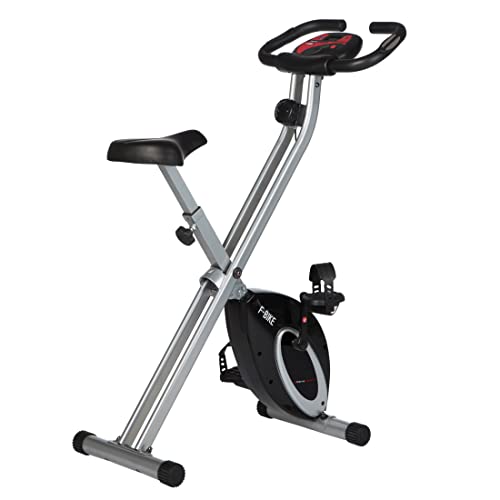
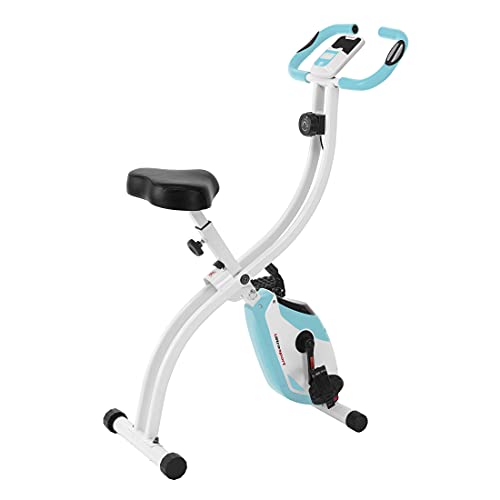
| Stationary Bicycles | Repaired bikes created for indoor usage, stationary bicycles offer a constant exercise without surface challenges. | Home workouts and fitness classes. |
| Electric Bicycles | Equipped with a battery to help with pedaling, these bikes make cycling more available, particularly on hills. | Travelling with less physical stress. |
Each kind of fitness bicycle provides distinct functions customized to particular functions and riding styles. Comprehending these differences is essential for making an educated option.
Benefits of Using Fitness Bicycles
Including cycling into a fitness regimen yields numerous physical and mental health benefits. Here are a few of the most substantial advantages:
- Cardiovascular Health: Cycling reinforces the heart muscles, promotes blood flow, minimizes high blood pressure, and boosts overall cardiovascular endurance.
- Muscle Development: Regular biking engages several muscle groups, including the legs, core, and glutes, leading to improved muscle tone and strength.
- Weight Management: Cycling is a reliable calorie-burning activity, adding to weight reduction or upkeep when combined with a well balanced diet.
- Joint Mobility: Low-impact cycling lessens tension on joints compared to running, making it appropriate for people with joint issues or arthritis.
- Mental Wellbeing: Exercise, including cycling, releases endorphins that alleviate stress and improve mood, contributing to general mental well-being.
- Convenience: Cycling can be quickly integrated into daily regimens, working as a kind of transport or a leisurely activity.
Key Components of Fitness Bicycles
Understanding the essential elements of fitness bicycles can assist potential purchasers make informed decisions. Here are the primary parts that one should understand:
- Frame: The core structure of the bicycle, usually made from materials such as aluminum, steel, or carbon fiber. Each material uses various balances between weight, strength, and cost.
- Wheels and Tires: The size and kind of wheels impact performance and riding comfort. Tires can be narrow for roadway bikes or wider for mountain bikes.
- Gearing System: Determines how bicyclists shift through various resistance levels. Misconstruing gears can restrict riding versatility.
- Brakes: Essential for security, brakes can be either rim brakes or disc brakes, each having unique advantages in regards to stopping power and upkeep.
- Handlebars: The shape of the handlebars can affect riding posture. Drop bars prevail in roadway bikes, while flat bars are typical in hybrid models.
- Pedals: Standard pedals appropriate for casual riding, but clipless pedals are frequently chosen by serious bicyclists for increased performance.
Aspects to Consider When Choosing a Fitness Bicycle
Picking the suitable fitness bicycle is crucial for achieving optimum performance and enjoyment. Here are some key aspects to consider:
- Purpose: Determine how you plan to utilize the bicycle. Will it be for daily commuting, exercise, or recreational riding?
- Surface: Consider the types of surface areas you will ride on– paved roads, dirt trails, or a mix of both– to identify the most appropriate bike type.
- Fit: An appropriate bike fit is necessary to make sure comfort and avoid injuries. It’s advisable to evaluate ride various designs to find one that matches your body size and riding design.
- Budget plan: Fitness bicycles come in a vast array of rates. Establish a spending plan and prioritize necessary functions without spending too much.
- Maintenance: Consider how much effort and time you are willing to purchase bicycle upkeep. Some models are much easier to maintenance than others.
- Accessories: Think about any additional features you might need, such as racks, fenders, or lights, which can boost your cycling experience.
Regularly Asked Questions (FAQs)
What is the very best kind of bicycle for beginners?
Hybrid bicycles are frequently advised for beginners due to their adaptability and comfortable riding posture.
How frequently should I ride my fitness bicycle to see results?
Bicyclists generally aim for 150 minutes of moderate activity weekly, relating to about 30 minutes of biking five times weekly.
Are stationary bicycles efficient for fitness?
Yes, stationary bicycles provide an exceptional cardiovascular exercise and are particularly beneficial in severe weather condition.
Can cycling assist with weight loss?
Definitely! Cycling is an effective means of burning calories, adding to a calorie deficit needed for weight loss.
What essential gear should I have for biking?
Bicyclists must purchase an appropriately fitting helmet, comfy biking shorts, and suitable shoes to enhance their experience and safety.
Fitness bicycles provide a perfect chance for people looking for to improve their fitness and health levels. By comprehending the various kinds of bikes, their benefits, key elements, and crucial aspects to think about, riders can make educated decisions that line up with their fitness goals. Whether cycling inside your home or on outside routes, the right bicycle can change one’s exercise equipment For legs regimen and substantially improve general wellness. Happy cycling!