

Bandsäge Für Holz Preisvergleich
Add a review FollowOverview
-
Founded Date June 12, 1902
-
Sectors Accounting / Finance
-
Posted Jobs 0
-
Viewed 14

Company Description
Metal Band Saw For Pipes Tools To Ease Your Everyday Lifethe Only Metal Band Saw For Pipes Trick That Should Be Used By Everyone Know
Metal Band Saw for Pipes: An Essential Tool for Precision Cutting
In industries that depend on metal fabrication, precision is crucial. Among the numerous tools available for cutting metals, the metal band saw stands out as an especially efficient choice, particularly when it comes to pipes. This post will look into the specifics of metal band saws, focusing on their applications in cutting pipes, their benefits, types, and crucial considerations when choosing one.
Comprehending Metal Band Saws
A metal band saw is a machine that makes use of a long, constant band of metal with teeth along one edge to cut through various products, consisting of metals like steel and buy Mig/mag welding machine aluminum. The saw runs by running the band over 2 wheels, enabling it to relocate a constant loop, which gives it the capability to cut products with excellent accuracy and efficiency.
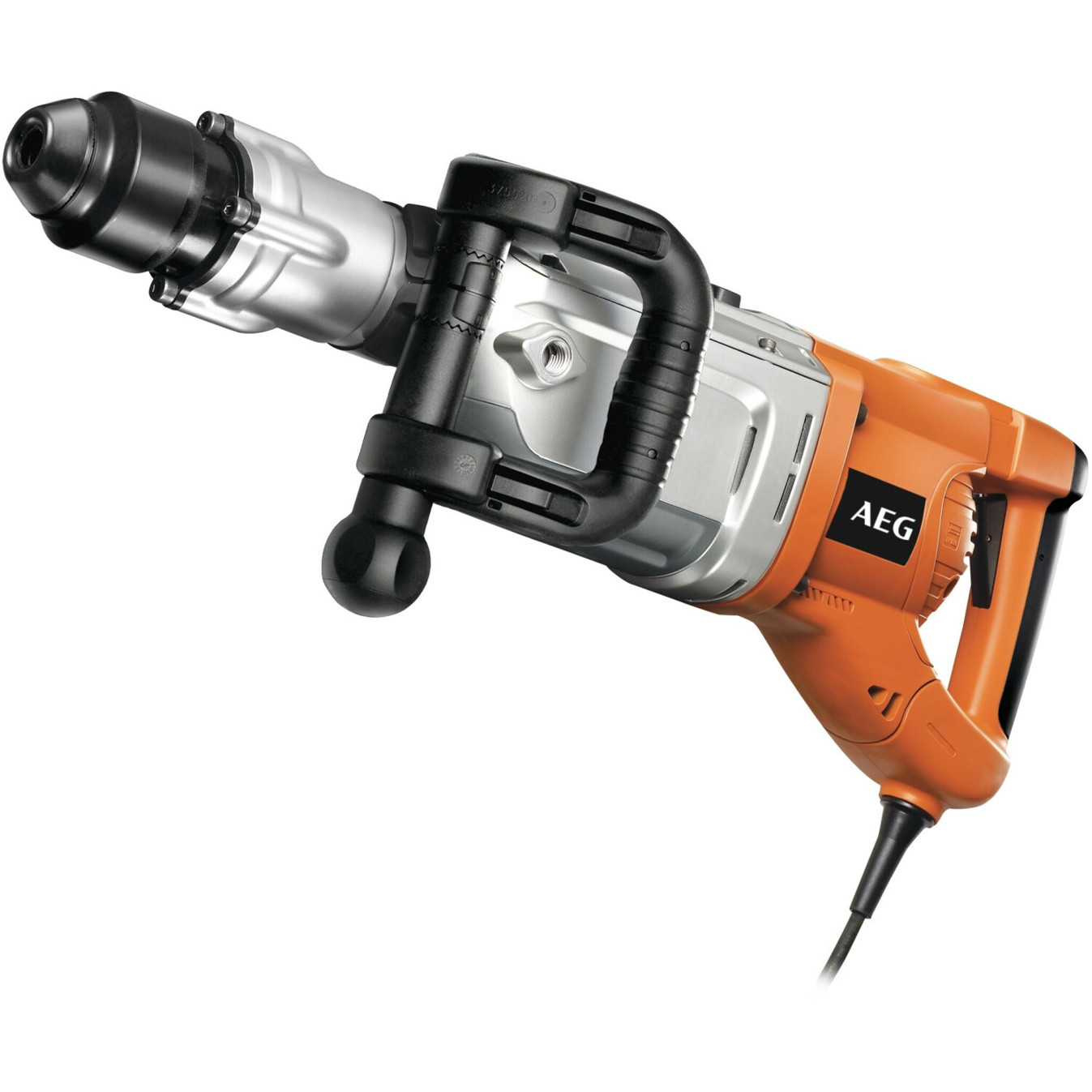
Benefits of Using Metal Band Saws for Pipes
When working with pipes, a metal Band saw for pipes band saw offers several benefits:
| Advantage | Description |
|---|---|
| Accuracy Cutting | The thin blade permits intricate and precise cuts, minimizing product waste. |
| Versatility | Capable of cutting various types of metals, such as carbon steel, stainless-steel, and aluminum. |
| Effectiveness | Faster and straighter cuts compared to traditional saws, enhancing production speed. |
| Minimized Heat Generation | Band saws produce less heat, which helps preserve the integrity of the metal being cut. |
| Security Features | Normally equipped with safety functions to protect operators throughout use. |
Kinds Of Metal Band Saws
There are a number of types of metal band saws, each created for specific cutting tasks. Understanding the differences can assist in selecting the right saw for pipe cutting:
| Type | Features | Suitable For |
|---|---|---|
| Horizontal Band Saw | Blade positioned horizontally; helpful for bulk cutting. | Large, heavy stock or bundles of pipes. |
| Vertical Band Saw | Blade runs vertically; much better for intricate cuts and angles. | Smaller sized sizes and detailed cuts. |
| Portable Band Saw | Compact and developed for mobility; utilizes a smaller sized blade. | Fieldwork or where space is limited. |
| Automatic Band Saw | Automated feed system; typically CNC controlled. | High volume, accuracy cutting. |
Key Considerations When Choosing a Metal Band Saw for Pipes
When selecting a metal band saw for pipeline cutting, numerous factors should be thought about to make sure that the financial investment fulfills the particular needs of the operation:
-
Pipe Material: Different materials require different blade types and settings. For instance, stainless steel may need carbide-tipped blades, while moderate steel can be cut with bi-metal blades.
-
Pipe Diameter: Consider the maximum size that the saw can accommodate. Horizontal saws can cut larger stock, while vertical saws are better for smaller sizes.
-
Cutting Speed: Look for a saw with variable speed settings to adapt to various products and pipe sizes.
-
Blade Quality: Higher quality blades not only supply cleaner cuts but likewise have a longer life expectancy, which can decrease total costs.
-
Security Features: Ensure the saw has functions such as blade guards, security switches, and emergency situation shutoff options.
-
Mobility: Depending on the workspace, a portable band saw might be required, specifically for on-site work.
-
Budget plan: Prices can differ considerably based on features and modification, Band Saw With Stand so it’s vital to set a practical spending plan.
Maintenance Tips for Metal Band Saws
Correct maintenance is crucial for the durability and effectiveness of metal band saws. Here are some tips to keep them in leading shape:
-
Regular Blade Inspection: Check for metallbandsäge Für Rohre wear, damage, and appropriate stress. Change blades as necessary.
-
Lubrication: Ensure that the saw’s moving parts are well-lubricated to maintain efficiency.
-
Cleaning up: Remove any metal shavings or debris from the saw regularly to prevent mechanical concerns.
-
Positioning: Regularly examine the positioning and track of the blade to guarantee it cuts straight and effectively.
-
Training: Ensure that all operators are properly trained on how to utilize and preserve the band saw.
Frequently Asked Questions (FAQ)
1. Can a metal band saw cut through all kinds of pipes?
Yes, a metal band saw can cut numerous types of pipes, including steel, aluminum, and even certain plastics. Nevertheless, the option of blade material and type is vital for effectiveness and cut quality.
2. How do I figure out the ideal blade for my band saw?
The best blade depends upon the product of the pipe and the size of the cut. Generally, bi-metal blades are versatile and appropriate for a variety of materials, while carbide-tipped blades are more resilient for harder metals.
3. Is it needed to utilize coolant while cutting metal pipes?
Using coolant can help in reducing heat, lengthen blade life, and improve the cut quality. It’s particularly recommended for more difficult metals or extended cutting jobs.
4. What is the average life expectancy of a metal band saw blade?
The life-span can vary significantly based on the material being cut, the kind of blade, and the frequency of usage. Typically, blades can last from numerous hours to a couple of days of constant cutting.
Investing in a metal band saw for pipe cutting can greatly enhance productivity and accuracy in metal fabrication jobs. By understanding the different types of band saws offered, their advantages, and the key considerations for selection, industries can ensure they select the right tool for their particular requirements. With proper maintenance and security practices, a metal band saw can become an invaluable property in any fabrication shop or field operation.
